Compliance Just Got Easier: Stay ahead of regulatory changes with instant notifications on updates that matter.
['Fleet Taxes']
['Fleet taxes', 'International Fuel Tax Agreement (IFTA)']
03/25/2024

Copyright 2026 J. J. Keller & Associate, Inc. For re-use options please contact copyright@jjkeller.com or call 800-558-5011.
:
|
InstituteFleet TaxesFleet taxesTransportationUSAFleet OperationsEnglishInternational Fuel Tax Agreement (IFTA)AnalysisFocus AreaIn Depth (Level 3)
Best practices: Accounts and policies
['Fleet Taxes']
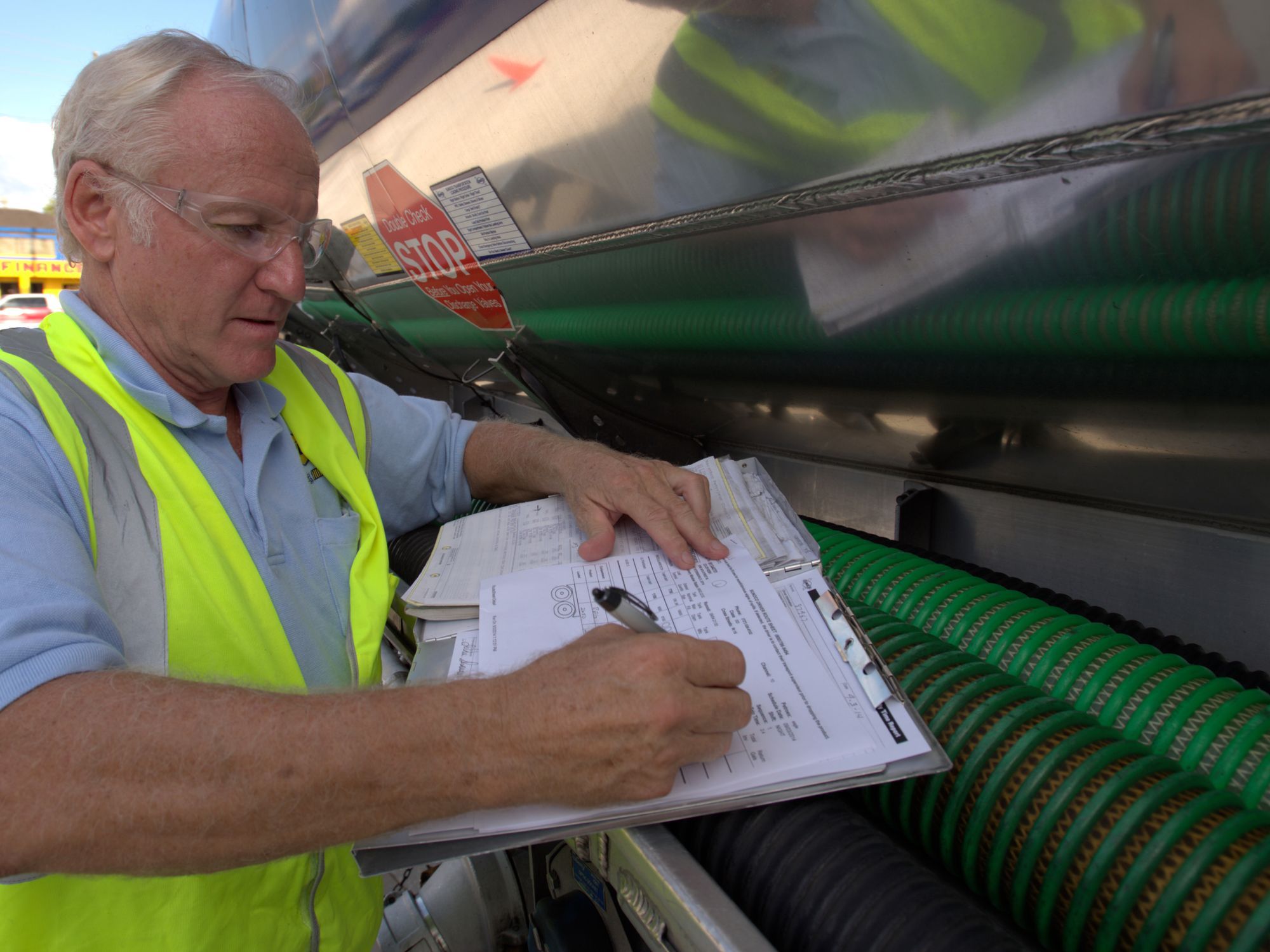
- It is a best practice to consolidate multiple IFTA/IRP accounts to minimize audit risks and to realize jurisdiction benefits.
- Carriers should ensure that their recordkeeping policies clearly outline what is expected of all parties responsible for IFTA/IRP recordkeeping.
By following some general best practices dealing with the International Fuel Tax Agreement (IFTA) accounts and with company policies, carriers can better ensure compliance when conducting regular business and when faced with an audit.
Minimize IFTA accounts
Some carriers may have IFTA and International Registration Plan (IRP) accounts in multiple jurisdictions. While not exactly prohibited, having multiple open accounts does increase the carrier’s chances of being audited. Jurisdictions are mandated to audit at least three percent of their carriers under IFTA/IRP, so being a part of the audit pool in multiple jurisdictions increases the chances of being selected. Furthermore, one of the major benefits of IFTA/IRP is that carriers only have to work with one jurisdiction (their base jurisdiction) to pay fuel tax and registration. Having IFTA/IRP accounts in multiple jurisdictions directly conflicts with this benefit.
Carriers with multiple IFTA/IRP accounts should consider consolidating accounts, if possible, to help minimize audit risk.
Create company policies
Carriers should ensure that their recordkeeping policies clearly outline what is expected of all parties responsible for IFTA/IRP recordkeeping. Specifically, the policy should include the following at a minimum:
- An outline of driver responsibilities, including consequences for failing to follow the recordkeeping policy or circumventing distance tracking procedures;
- Copies of forms used for recordkeeping and, if applicable, instructions on using automatic recording devices, hub odometers, or global positioning units to track distance;
- Dispatcher recordkeeping responsibilities;
- Administrative data entry processes and timelines;
- Record checking/reconciliation procedures;
- Filing and record retention expectations; and
- Record purging schedule(s).
Because drivers are out on the road and essential to accurate recordkeeping, it’s important to ensure they’re properly trained on their responsibilities. Informal training sessions that stress how the carrier uses records and the importance of accurate records can help ensure drivers capture the required information. During the training sessions, it’s recommended to:
- Show drivers examples of properly completed trip reports and poorly completed trip reports;
- Present drivers with laminated copies of properly completed trip reports — drivers can use these as an on-the-road reference as to how their trip report should look; and
- Instruct drivers on the use of electronic logging devices (ELDs) or global positioning systems (GPSs) to track distances, if applicable.
If drivers are expected to use an ELD or GPS unit to track distances, the carrier should ensure that drivers know how to operate the system. Drivers should also be instructed on how to keep paper Individual Vehicle Mileage Records (IVMRs) in the event that the ELD or GPS unit fails.
:
fleet-taxes
FOUNDATIONAL LEARNING
Best practices: Accounts and policies
InstituteFleet TaxesFleet taxesTransportationUSAFleet OperationsEnglishInternational Fuel Tax Agreement (IFTA)AnalysisFocus AreaIn Depth (Level 3)
['Fleet Taxes']
- It is a best practice to consolidate multiple IFTA/IRP accounts to minimize audit risks and to realize jurisdiction benefits.
- Carriers should ensure that their recordkeeping policies clearly outline what is expected of all parties responsible for IFTA/IRP recordkeeping.
By following some general best practices dealing with the International Fuel Tax Agreement (IFTA) accounts and with company policies, carriers can better ensure compliance when conducting regular business and when faced with an audit.
Minimize IFTA accounts
Some carriers may have IFTA and International Registration Plan (IRP) accounts in multiple jurisdictions. While not exactly prohibited, having multiple open accounts does increase the carrier’s chances of being audited. Jurisdictions are mandated to audit at least three percent of their carriers under IFTA/IRP, so being a part of the audit pool in multiple jurisdictions increases the chances of being selected. Furthermore, one of the major benefits of IFTA/IRP is that carriers only have to work with one jurisdiction (their base jurisdiction) to pay fuel tax and registration. Having IFTA/IRP accounts in multiple jurisdictions directly conflicts with this benefit.
Carriers with multiple IFTA/IRP accounts should consider consolidating accounts, if possible, to help minimize audit risk.
Create company policies
Carriers should ensure that their recordkeeping policies clearly outline what is expected of all parties responsible for IFTA/IRP recordkeeping. Specifically, the policy should include the following at a minimum:
- An outline of driver responsibilities, including consequences for failing to follow the recordkeeping policy or circumventing distance tracking procedures;
- Copies of forms used for recordkeeping and, if applicable, instructions on using automatic recording devices, hub odometers, or global positioning units to track distance;
- Dispatcher recordkeeping responsibilities;
- Administrative data entry processes and timelines;
- Record checking/reconciliation procedures;
- Filing and record retention expectations; and
- Record purging schedule(s).
Because drivers are out on the road and essential to accurate recordkeeping, it’s important to ensure they’re properly trained on their responsibilities. Informal training sessions that stress how the carrier uses records and the importance of accurate records can help ensure drivers capture the required information. During the training sessions, it’s recommended to:
- Show drivers examples of properly completed trip reports and poorly completed trip reports;
- Present drivers with laminated copies of properly completed trip reports — drivers can use these as an on-the-road reference as to how their trip report should look; and
- Instruct drivers on the use of electronic logging devices (ELDs) or global positioning systems (GPSs) to track distances, if applicable.
If drivers are expected to use an ELD or GPS unit to track distances, the carrier should ensure that drivers know how to operate the system. Drivers should also be instructed on how to keep paper Individual Vehicle Mileage Records (IVMRs) in the event that the ELD or GPS unit fails.
2656870821
2656866816
UPGRADE TO CONTINUE READING
RELATED TOPICS
J. J. Keller is the trusted source for DOT / Transportation, OSHA / Workplace Safety, Human Resources, Construction Safety and Hazmat / Hazardous Materials regulation compliance products and services. J. J. Keller helps you increase safety awareness, reduce risk, follow best practices, improve safety training, and stay current with changing regulations.
Copyright 2026 J. J. Keller & Associate, Inc. For re-use options please contact copyright@jjkeller.com or call 800-558-5011.