Compliance Just Got Easier: Stay ahead of regulatory changes with instant notifications on updates that matter.
['Wage and Hour']
['Before and After Work Activities', 'Fair Labor Standards Act (FLSA)', 'Wage and Hour']
02/15/2024

Copyright 2026 J. J. Keller & Associate, Inc. For re-use options please contact copyright@jjkeller.com or call 800-558-5011.
:
|
- “Principal activities” performed before an employee begins regular job duties must be counted as work time.
- Employers can exclude activities such as changing clothes from being paid under an FLSA provision.
Employees must be paid for all working time, but the Fair Labor Standards Act (FLSA) does not specifically define work. However, the regulations do describe activities that count as hours worked, including certain preparatory and concluding activities.
Generally, activities performed before or after the employee engages in regular job tasks must be counted as work if they are “principal activities.” This term is not specifically defined, but the regulations give these examples:
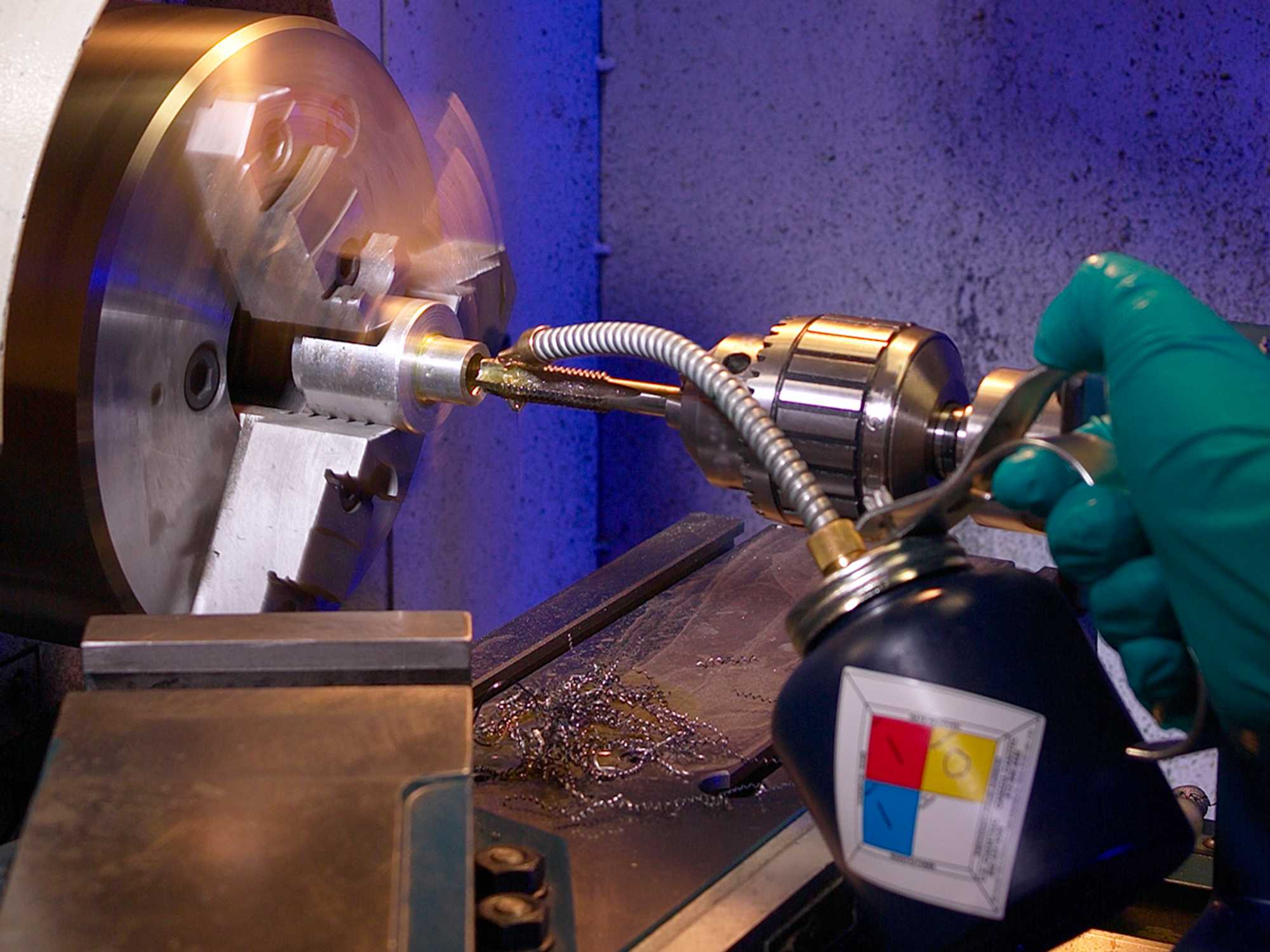
- A lathe operator will frequently, at the start of the workday, oil, grease, or clean the machine or install a new cutting tool. These are principal activities; they are necessary for the job and benefit the employer, so the employee must be paid for time spent performing these tasks.
- A garment worker in a textile mill must report 30 minutes before other employees to distribute clothing at workstations and prepare the machines for operation by other employees. These are principal activities, and the employee must be paid for the time.
- If an employee in a chemical plant cannot perform principal activities without putting on certain clothes, then changing clothes at the beginning and end of the workday is a principal activity.
Principal activities
If changing clothes is merely a convenience to the employee and not directly related to that employee’s principal activities, it is not a principal activity. For example, if a carpenter chooses to change clothing to keep that worker’s street clothes from getting dirty, this is done for the employee’s own benefit, not the employer’s benefit. Time spent changing clothes (for the employee’s own benefit) would not count as working time.
Two cases decided by the U.S. Supreme Court further illustrate activities that are considered an integral part of employees’ jobs. In one case, employees changed their clothes and took showers in a battery plant where the manufacturing process involved extensive use of caustic and toxic materials. In another, workers in a meatpacking plant sharpened their knives before and after their scheduled workday. In both cases, the Supreme Court held that these activities are an integral and indispensable part of the employees’ principal activities.
Employees who dress to go to work in the morning are not working while dressing even though the uniforms they put on at home are required to be used in the plant during working hours. Similarly, any changing that takes place at home at the end of the day would not be an integral part of the employees’ employment and is not working time.
In short, activities must be counted as hours worked if they are indispensable to the performance of the employee’s work or are required by law or by the rules of the employer, such as Occupational Safety and Health Administration (OSHA) regulations that require personal protective equipment. If preparatory and concluding activities are necessary for a job, and are performed for the benefit of the employer, they are regarded as work and are compensable under the FLSA.
Excluded by custom or contract
The FLSA contains a provision that allows employers to exclude activities such as changing clothes. Specifically, this provision says:
“There shall be excluded any time spent in changing clothes or washing at the beginning or end of each workday which was excluded from measured working time during the week involved by the express terms of or by custom or practice under a bona fide collective bargaining agreement applicable to the particular employee.”
Note that time spent in such activities can be excluded only if those activities are not compensable under federal law. If the FLSA requires paying for time spent in certain activities, employers must pay for that time. Employers cannot refuse to pay for work activities by creating an agreement that such time won’t be paid. Similarly, employees cannot agree to forego wages for compensable activities, and courts have found such an agreement to be invalid.
Where time is excluded from hours worked by custom or contract, the agreement should primarily serve to provide clarification about when the workday begins. As an example, a company might clarify that employees who change into coveralls before the workday are doing so for their own benefit and will not be paid for this time. However, if employees must put on personal protective equipment at the beginning of the day, this would be compensable working time, and it could not be excluded by custom or contract.
In some instances, an employee of a newspaper or radio or television station will read a particular book to possibly do a book review for use in the newspaper or on the air. This presents no problem if reading is done at the establishment or at the employer’s request. However, the reading may be done away from the employer’s establishment and outside of duty hours, such as at the employee’s home in the evening, and on a speculative basis — that is, with the thought that a book review might be prepared.
In such cases, there is a question as to whether the reading was done for the benefit of the employer or for the pleasure of the employee. The U.S. Department of Labor (DOL) Wage and Hour Division (WHD) will not assert that such reading is hours worked even though the book is subsequently reviewed in the newspaper or on the air.
:
- “Principal activities” performed before an employee begins regular job duties must be counted as work time.
- Employers can exclude activities such as changing clothes from being paid under an FLSA provision.
Employees must be paid for all working time, but the Fair Labor Standards Act (FLSA) does not specifically define work. However, the regulations do describe activities that count as hours worked, including certain preparatory and concluding activities.
Generally, activities performed before or after the employee engages in regular job tasks must be counted as work if they are “principal activities.” This term is not specifically defined, but the regulations give these examples:
- A lathe operator will frequently, at the start of the workday, oil, grease, or clean the machine or install a new cutting tool. These are principal activities; they are necessary for the job and benefit the employer, so the employee must be paid for time spent performing these tasks.
- A garment worker in a textile mill must report 30 minutes before other employees to distribute clothing at workstations and prepare the machines for operation by other employees. These are principal activities, and the employee must be paid for the time.
- If an employee in a chemical plant cannot perform principal activities without putting on certain clothes, then changing clothes at the beginning and end of the workday is a principal activity.
Principal activities
If changing clothes is merely a convenience to the employee and not directly related to that employee’s principal activities, it is not a principal activity. For example, if a carpenter chooses to change clothing to keep that worker’s street clothes from getting dirty, this is done for the employee’s own benefit, not the employer’s benefit. Time spent changing clothes (for the employee’s own benefit) would not count as working time.
Two cases decided by the U.S. Supreme Court further illustrate activities that are considered an integral part of employees’ jobs. In one case, employees changed their clothes and took showers in a battery plant where the manufacturing process involved extensive use of caustic and toxic materials. In another, workers in a meatpacking plant sharpened their knives before and after their scheduled workday. In both cases, the Supreme Court held that these activities are an integral and indispensable part of the employees’ principal activities.
Employees who dress to go to work in the morning are not working while dressing even though the uniforms they put on at home are required to be used in the plant during working hours. Similarly, any changing that takes place at home at the end of the day would not be an integral part of the employees’ employment and is not working time.
In short, activities must be counted as hours worked if they are indispensable to the performance of the employee’s work or are required by law or by the rules of the employer, such as Occupational Safety and Health Administration (OSHA) regulations that require personal protective equipment. If preparatory and concluding activities are necessary for a job, and are performed for the benefit of the employer, they are regarded as work and are compensable under the FLSA.
Excluded by custom or contract
The FLSA contains a provision that allows employers to exclude activities such as changing clothes. Specifically, this provision says:
“There shall be excluded any time spent in changing clothes or washing at the beginning or end of each workday which was excluded from measured working time during the week involved by the express terms of or by custom or practice under a bona fide collective bargaining agreement applicable to the particular employee.”
Note that time spent in such activities can be excluded only if those activities are not compensable under federal law. If the FLSA requires paying for time spent in certain activities, employers must pay for that time. Employers cannot refuse to pay for work activities by creating an agreement that such time won’t be paid. Similarly, employees cannot agree to forego wages for compensable activities, and courts have found such an agreement to be invalid.
Where time is excluded from hours worked by custom or contract, the agreement should primarily serve to provide clarification about when the workday begins. As an example, a company might clarify that employees who change into coveralls before the workday are doing so for their own benefit and will not be paid for this time. However, if employees must put on personal protective equipment at the beginning of the day, this would be compensable working time, and it could not be excluded by custom or contract.
In some instances, an employee of a newspaper or radio or television station will read a particular book to possibly do a book review for use in the newspaper or on the air. This presents no problem if reading is done at the establishment or at the employer’s request. However, the reading may be done away from the employer’s establishment and outside of duty hours, such as at the employee’s home in the evening, and on a speculative basis — that is, with the thought that a book review might be prepared.
In such cases, there is a question as to whether the reading was done for the benefit of the employer or for the pleasure of the employee. The U.S. Department of Labor (DOL) Wage and Hour Division (WHD) will not assert that such reading is hours worked even though the book is subsequently reviewed in the newspaper or on the air.
2656870183
2656866089
UPGRADE TO CONTINUE READING