
Fire detection systems
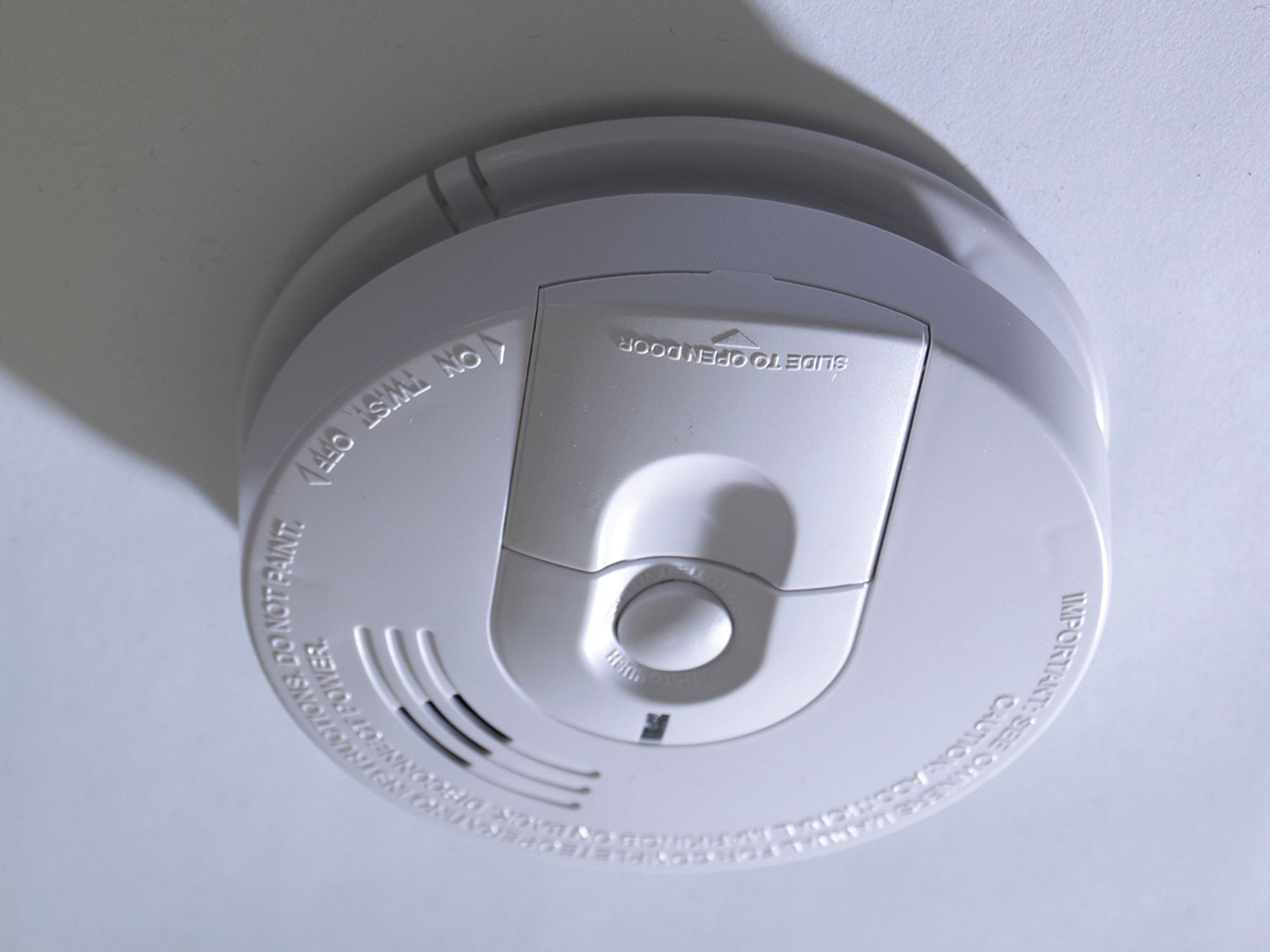
Fire detection systems do just that — detect fires. They also trigger fire suppression systems and employee alarm systems. It is important that fire detection systems work properly and effectively. Early detection of a fire means faster reaction to the fire, timely notification of employees, and less property damage.
The regulations for fire detection systems at 1910.164 apply to companies that must have fire suppression systems because they are regulated by a specific OSHA standard or paragraphs therein. These include:
- 1910.36 — General requirements — Means of egress
- 1910.106 — Flammable liquids
- 1910.107 — Spray finishing using flammable and combustible materials
- 1910.125 — Additional requirements for dipping and coating operations that use flammable liquids or liquids with flashpoints greater than 199.4 �F (93 �C)
- 1910.109 — Explosives and blasting agents
- 1910.265 — Sawmills
Installation and restoration
Fire detection systems must be designed by engineers or other professionals who are familiar with and have expertise in the design of fire protective systems. All devices or equipment used in the fire detection system’s design and installation must be approved for that purpose.
Perform acceptance tests on the detection system after installation and before placing it into service. These tests determine if the detection system is operable and functioning as intended. Correct any problems uncovered during the acceptance tests before placing the system into service.
After any test or alarm, restore the system to its operating condition as soon as possible. You must have a readily available supply of all detection devices or components that are normally destroyed in the process of detecting fires. The replacements must be on the premises or at a local supplier in sufficient quantities and locations for prompt restoration of the system.
Response time
Make sure the fire detection systems:
- Operate in time to control or extinguish a fire, and
- Provide a warning for emergency action and safe escape of employees, if designed to be an employee alarm and evacuation signal.
Do not delay alarms or devices initiated by fire detector actuation for more than 30 seconds unless it is necessary for the immediate safety of employees. When this delay is necessary, address it in an emergency action plan.
Maintenance and testing
Maintain fire detection systems at all times except during maintenance and repairs. Test and adjust the systems as often as needed to maintain proper reliability and operating condition; except, factory calibrated detectors need not be adjusted after installation. Use only trained personnel, knowledgeable of the system, to perform the servicing, maintenance, and testing of the detection system.
Clean the fire detectors at regular, periodic intervals. They must be cleaned of dirt, dust, or other particulates.
Supervisory systems
All hydraulic and pneumatic operated detection systems must be equipped with supervisory systems if they were installed after January 1, 1981. To provide optimum fire protection, monitor all fire detectors for equipment failures.
Electrically operated sensors can be used for effective monitoring and typical types of supervision for:
- Air pressure,
- Fluid pressure, and
- Electrical circuits.
Protection of fire detectors
Locate or protect all detection equipment so that it is protected from any mechanical or physical impact that might make it inoperable. Fire detectors can be protected as follows:
- Use protective coatings or noncorrosive materials for corrosive atmospheres.
- Use canopies, hoods, or other suitable protection for weather protection.
- Use suitable cages or metal guards for protection from physical damage, or locate detectors where their contact with materials or equipment is not possible.
- Make sure detectors are supported independently of their attachment to wires or tubing.
Placement and spacing of detecting devices
OSHA requires that the number, spacing, and location of detectors be based on the following design data:
- Field experience,
- Field tests,
- Manufacturer’s recommendations, or
- Recognized testing laboratory listings.
This information can be obtained from the approved listings for detectors, NFPA standards, fire protection engineers or consultants, and detector manufacturers.