
Cargo Transport Units
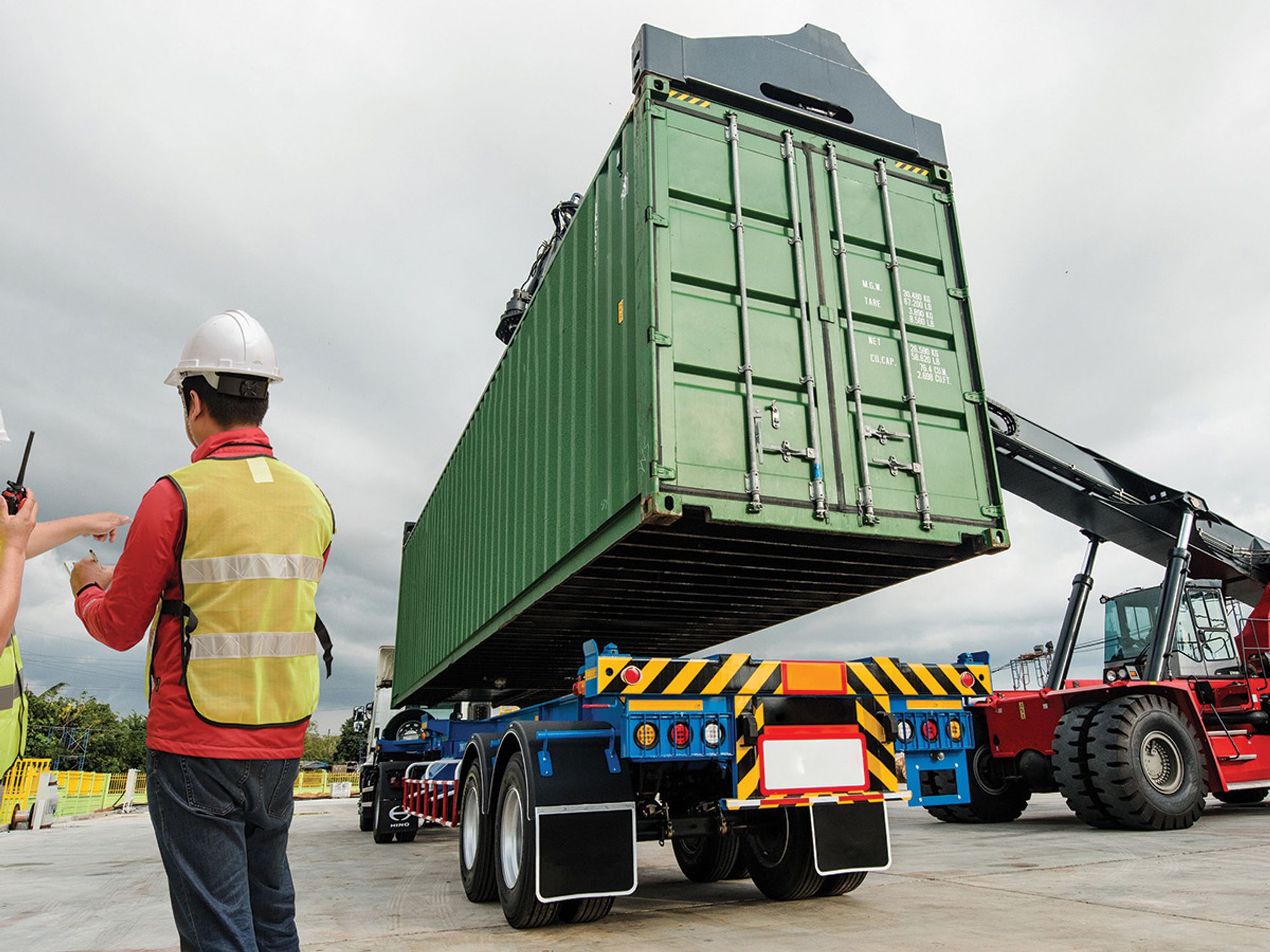
- Cargo Transport Units (CTUs) are often used when transporting dangerous goods by vessel.
A Cargo Transport Unit (CTU) is a transport vehicle, a freight container, a portable tank, or a multiple element gas container (MEGC). Because of their size and versatility, CTUs are commonly used when transporting dangerous goods by vessel.
General provisions CTUs must be:
- Strong enough to withstand the shocks and loadings normally encountered during transport.
- Constructed in such a way to prevent the loss of its contents.
- When applicable, the CTU must be fitted with devices to facilitate securing and handling the dangerous goods within it.
- Adequately maintained.
If the CTU meets the definition of a “container” as defined by the International Convention for Safe Containers (CSC) 1972, the applicable provisions of the CSC must be followed. However, the CSC does not apply to offshore containers handled in open seas. Those must meet the requirements established by a competent authority, such as the Pipeline and Hazardous Materials Safety Administration (PHMSA). An offshore container designed to be handled in open seas shall be clearly marked with the words “OFFSHORE CONTAINER” on the safety approval plate.