NOAA updates the 'average' hurricane season to include more storms
The National Oceanic and Atmospheric Administration (NOAA) updated the “average” number of named storms per hurricane season based on the most recent 30-year climate record. Beginning with this year’s hurricane season outlooks, NOAA’s Climate Prediction Center will use 1991-2020 as the 30-year period of record.
The new averages for the Atlantic have increased by 2 named storms, from 12 (based on the period from 1981 to 2010) to 14 and from 6 to 7 hurricanes. The predicted average for major hurricanes (Category 3, 4, or 5) remains the same.
What's causing the increase in storms?
NOAA says the increase in storms may be because its equipment is getting better, including its fleet of next-generation environmental satellites and other hurricane information-gathering efforts. However, the agency also notes the increase could be due to a warming ocean and atmosphere. In addition, natural fluctuations in ocean currents over several years can also increase hurricane activity in the Atlantic.
Note that NOAA did not update the averages for the Eastern Pacific and Central Pacific basin. Storm activity predicted for the Eastern Pacific remains at 15 named storms, 8 hurricanes, and 4 major hurricanes. The Central Pacific basin will remain at an average of 4 named storms, 3 hurricanes, and 2 major hurricanes.
The Atlantic hurricane season officially runs from June 1 to November 30 each year.
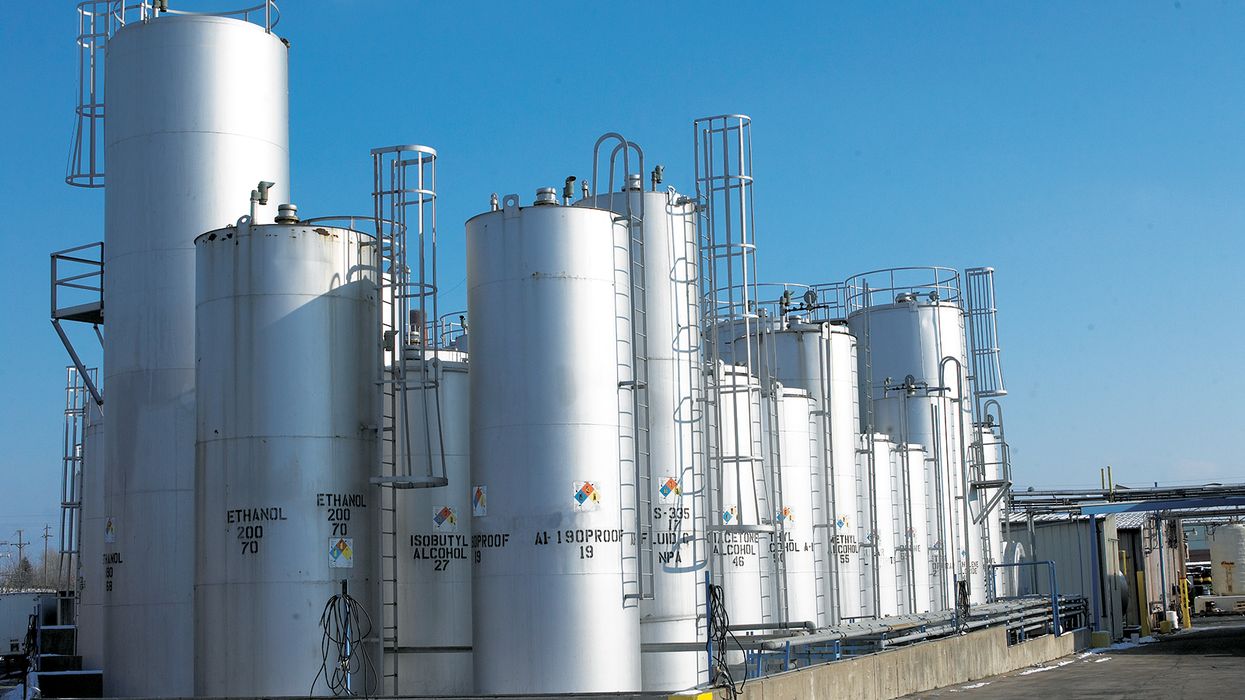
Every year, EPA reminds facility operators that shutdown operations due to hurricanes require special care beyond normal operations. Operators are required to minimize chemical releases during process shutdown operations; and if reportable releases occur, they must be reported immediately.