Compliance Just Got Easier: Stay ahead of regulatory changes with instant notifications on updates that matter.
['Toxic and Hazardous Substances - OSHA']
['Toxic and Hazardous Substances - OSHA', 'Lead']
04/30/2026

Copyright 2026 J. J. Keller & Associate, Inc. For re-use options please contact copyright@jjkeller.com or call 800-558-5011.
:
|
InstituteLeadSafety & HealthGeneral Industry SafetyToxic and Hazardous Substances - OSHAUSAEnglishAnalysisFocus AreaToxic and Hazardous Substances - OSHAIn Depth (Level 3)
Lead work area restrictions
['Toxic and Hazardous Substances - OSHA']
- Employers must provide employees with clean change rooms and separate lunchroom facilities to help limit cross-contamination.
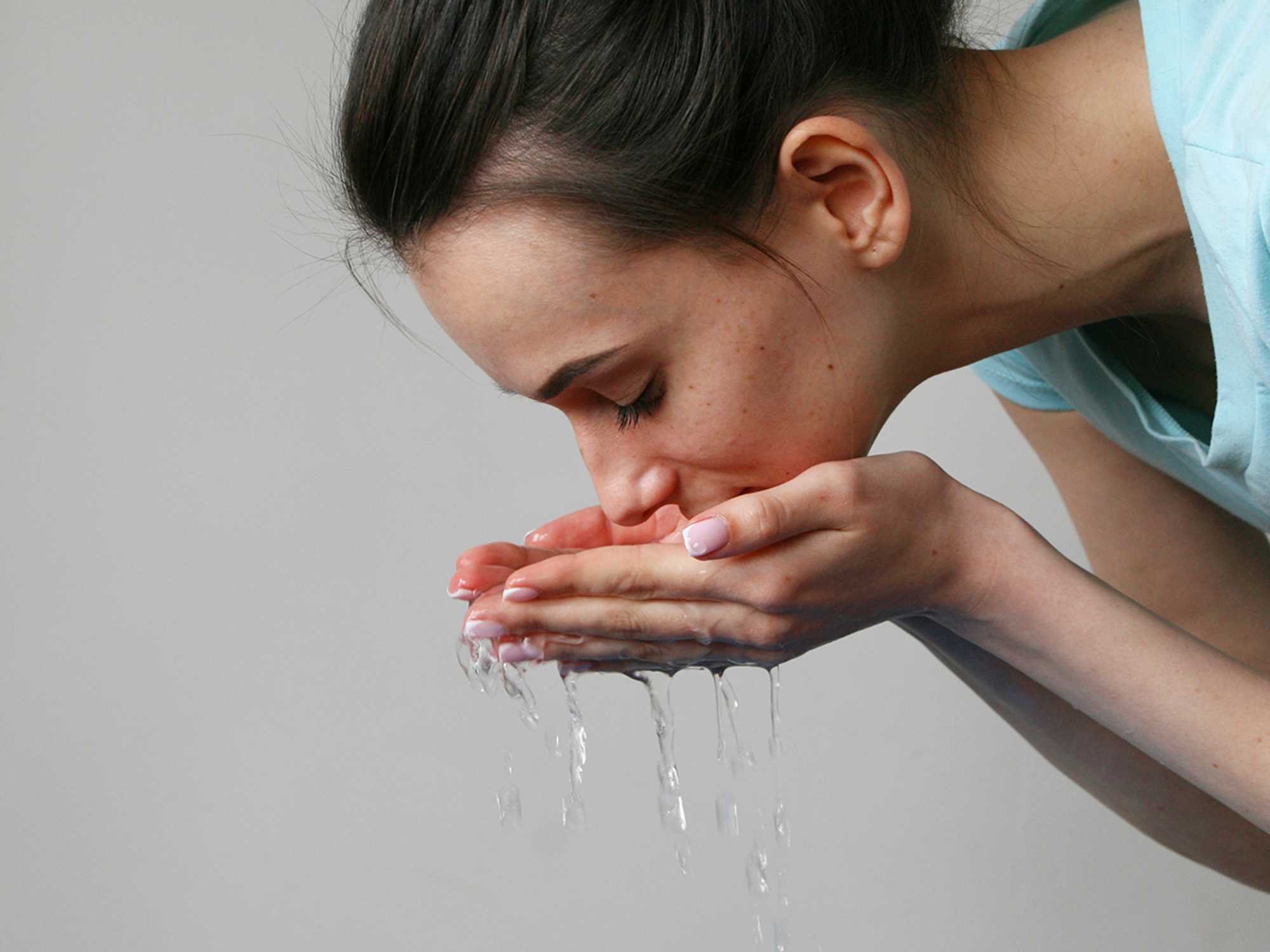
- Employees must shower at the end of their work shift, and wash hands and faces prior to eating, drinking, smoking, or applying cosmetics.
There are a variety of location restrictions for lead work areas.
All protective clothing must be removed at the completion of a work shift only in change rooms equipped with separate storage facilities for protective work clothing and equipment and for street clothes, which helps to prevent cross-contamination. Contaminated protective clothing that is to be cleaned, laundered, or disposed of must be placed in a closed container in the change room, which prevents dispersion of lead outside the container.
Employers must provide lunchroom facilities for employees who work in areas where their airborne exposure to lead is above the permissible exposure limit (PEL), without regard to the use of respirators. Lunchroom facilities must have a temperature controlled, positive pressure, filtered air supply, and be readily accessible to employees. Employees must not enter lunchroom facilities with protective work clothing or equipment unless surface lead dust has been removed by vacuuming, downdraft booth, or another cleaning method.
In areas where employees are exposed to lead above the PEL, without regard to the use of respirators, employers must ensure that:
- Food or beverage is not present or consumed, tobacco products are not present or used, and cosmetics are not applied, except according to 1910.1025(i)(2) through (i)(4).
- Employees shower at the end of the work shift. Employees who are required to shower must not leave the workplace wearing any clothing or equipment worn during the work shift.
- Employees wash their hands and faces prior to eating, drinking, smoking or applying cosmetics.
:
toxic-and-hazardous-substances-osha
toxic-and-hazardous-substances-osha
FOUNDATIONAL LEARNING
Lead work area restrictions
InstituteLeadSafety & HealthGeneral Industry SafetyToxic and Hazardous Substances - OSHAUSAEnglishAnalysisFocus AreaToxic and Hazardous Substances - OSHAIn Depth (Level 3)
['Toxic and Hazardous Substances - OSHA']
- Employers must provide employees with clean change rooms and separate lunchroom facilities to help limit cross-contamination.
- Employees must shower at the end of their work shift, and wash hands and faces prior to eating, drinking, smoking, or applying cosmetics.
There are a variety of location restrictions for lead work areas.
All protective clothing must be removed at the completion of a work shift only in change rooms equipped with separate storage facilities for protective work clothing and equipment and for street clothes, which helps to prevent cross-contamination. Contaminated protective clothing that is to be cleaned, laundered, or disposed of must be placed in a closed container in the change room, which prevents dispersion of lead outside the container.
Employers must provide lunchroom facilities for employees who work in areas where their airborne exposure to lead is above the permissible exposure limit (PEL), without regard to the use of respirators. Lunchroom facilities must have a temperature controlled, positive pressure, filtered air supply, and be readily accessible to employees. Employees must not enter lunchroom facilities with protective work clothing or equipment unless surface lead dust has been removed by vacuuming, downdraft booth, or another cleaning method.
In areas where employees are exposed to lead above the PEL, without regard to the use of respirators, employers must ensure that:
- Food or beverage is not present or consumed, tobacco products are not present or used, and cosmetics are not applied, except according to 1910.1025(i)(2) through (i)(4).
- Employees shower at the end of the work shift. Employees who are required to shower must not leave the workplace wearing any clothing or equipment worn during the work shift.
- Employees wash their hands and faces prior to eating, drinking, smoking or applying cosmetics.
2656872428
2656871458
UPGRADE TO CONTINUE READING
RELATED TOPICS
J. J. Keller is the trusted source for DOT / Transportation, OSHA / Workplace Safety, Human Resources, Construction Safety and Hazmat / Hazardous Materials regulation compliance products and services. J. J. Keller helps you increase safety awareness, reduce risk, follow best practices, improve safety training, and stay current with changing regulations.
Copyright 2026 J. J. Keller & Associate, Inc. For re-use options please contact copyright@jjkeller.com or call 800-558-5011.